Virtual Studio Olafur Eliasson
VR research residency exploring the potential of virtual reality as a medium and tool for art and design.
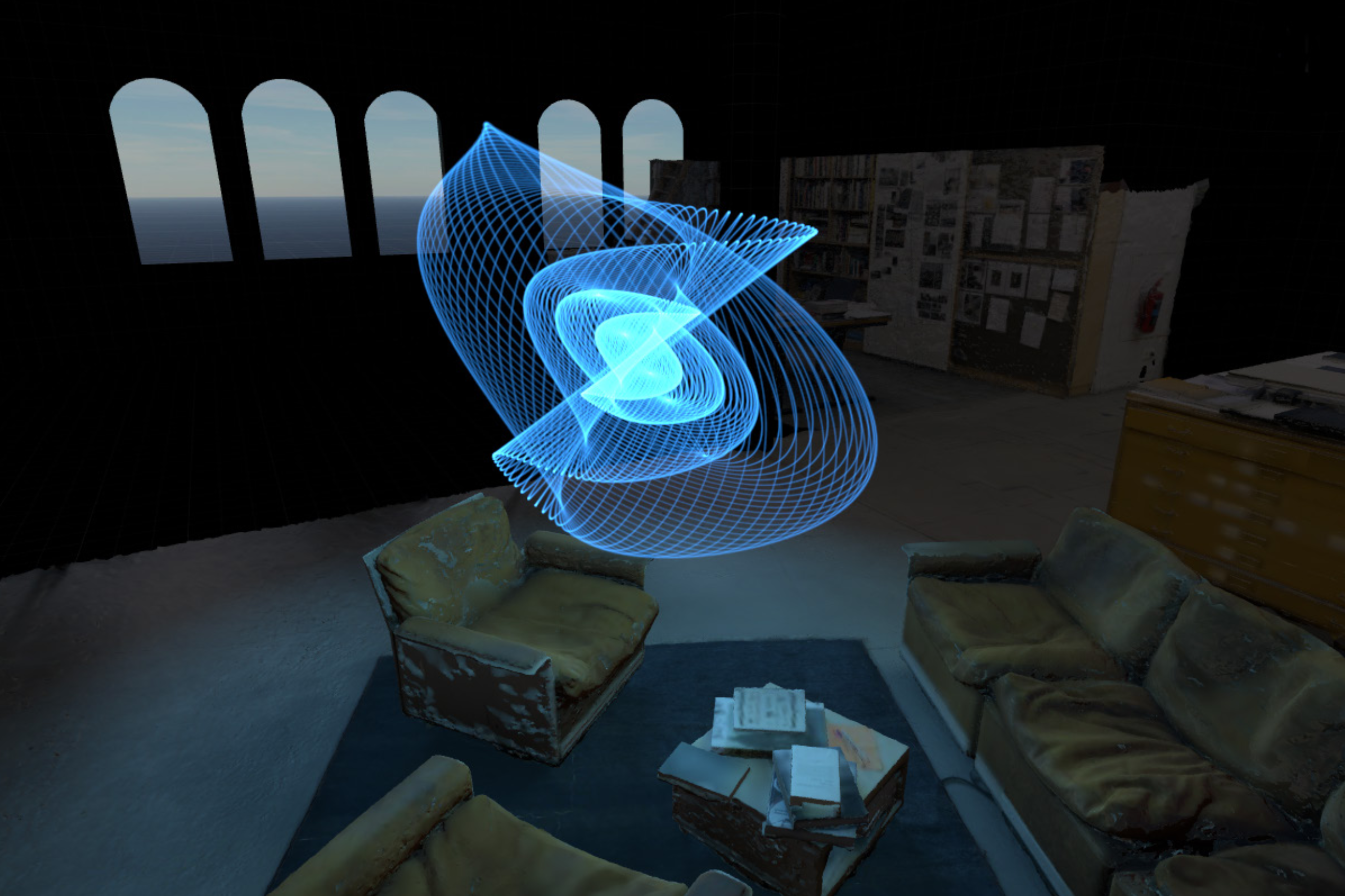
From 2016 to 2017, I was the virtual reality research resident at Studio Olafur Eliasson in Berlin. Working with Daniel Massey, I ran a rapid prototyping program—a new demo every two weeks for a year—to explore what VR might mean for contemporary art. The story of how this residency led to Softspace is told in Softspace: Origins. Here I’ll focus on the research itself.
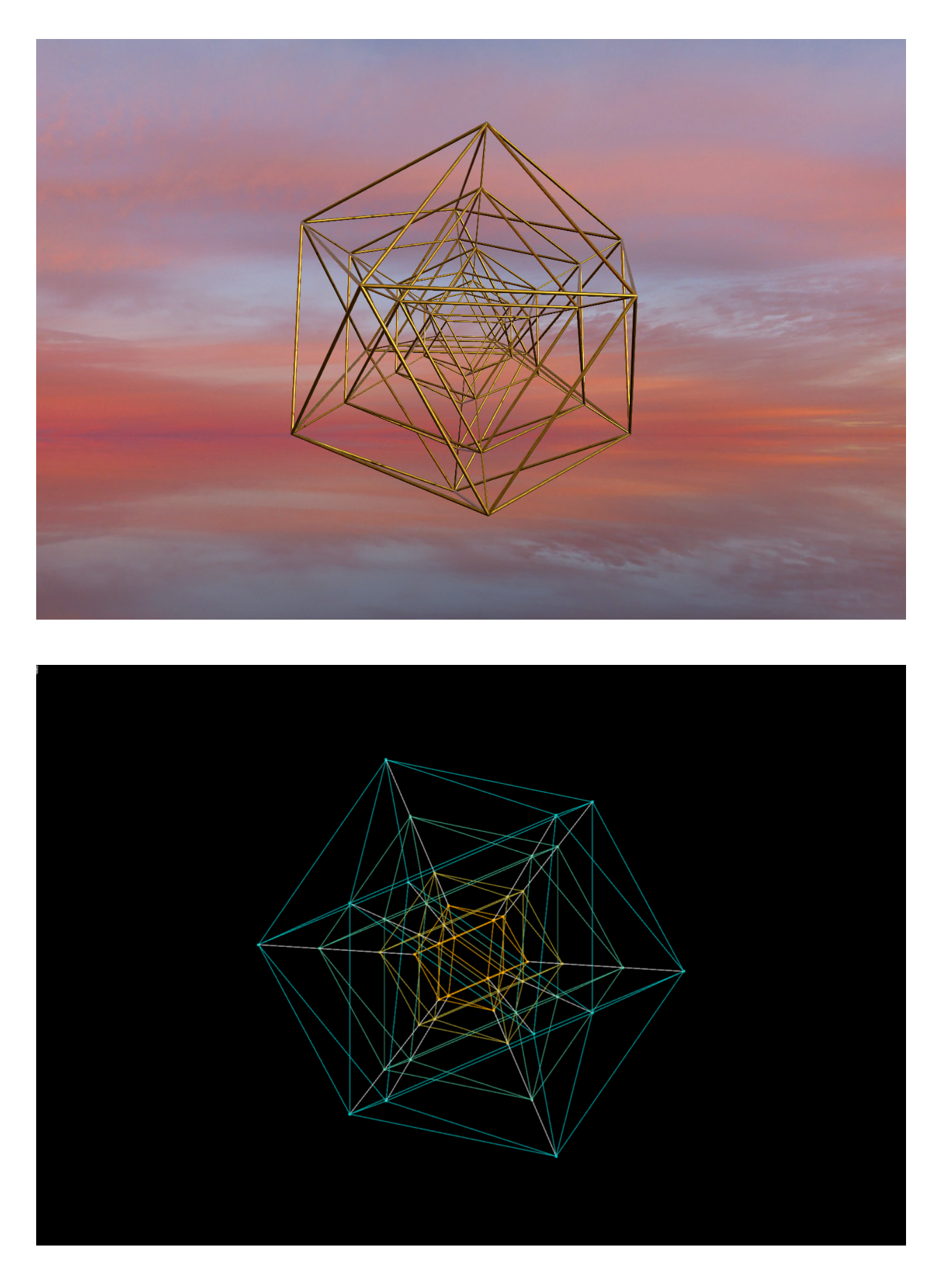
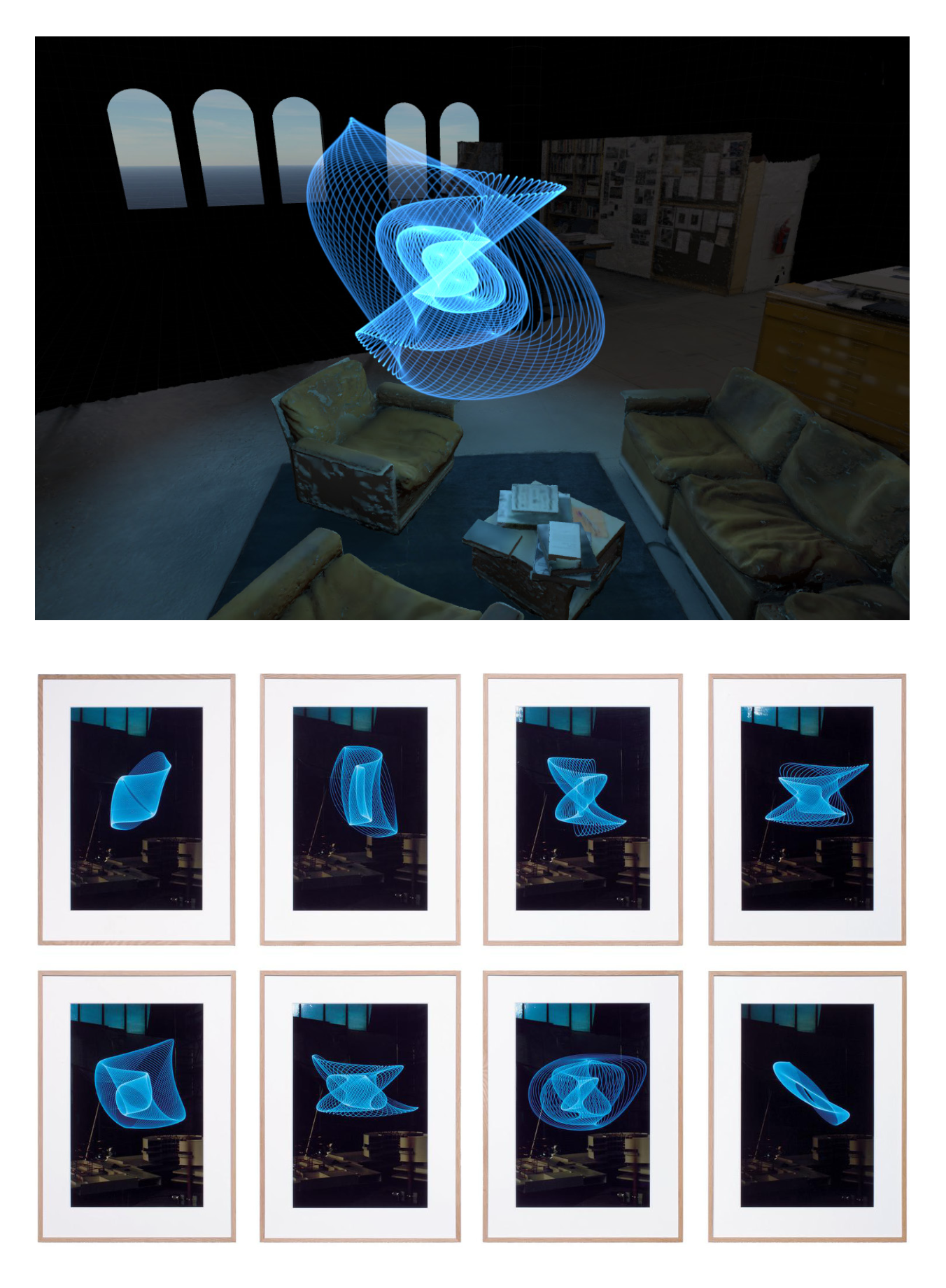
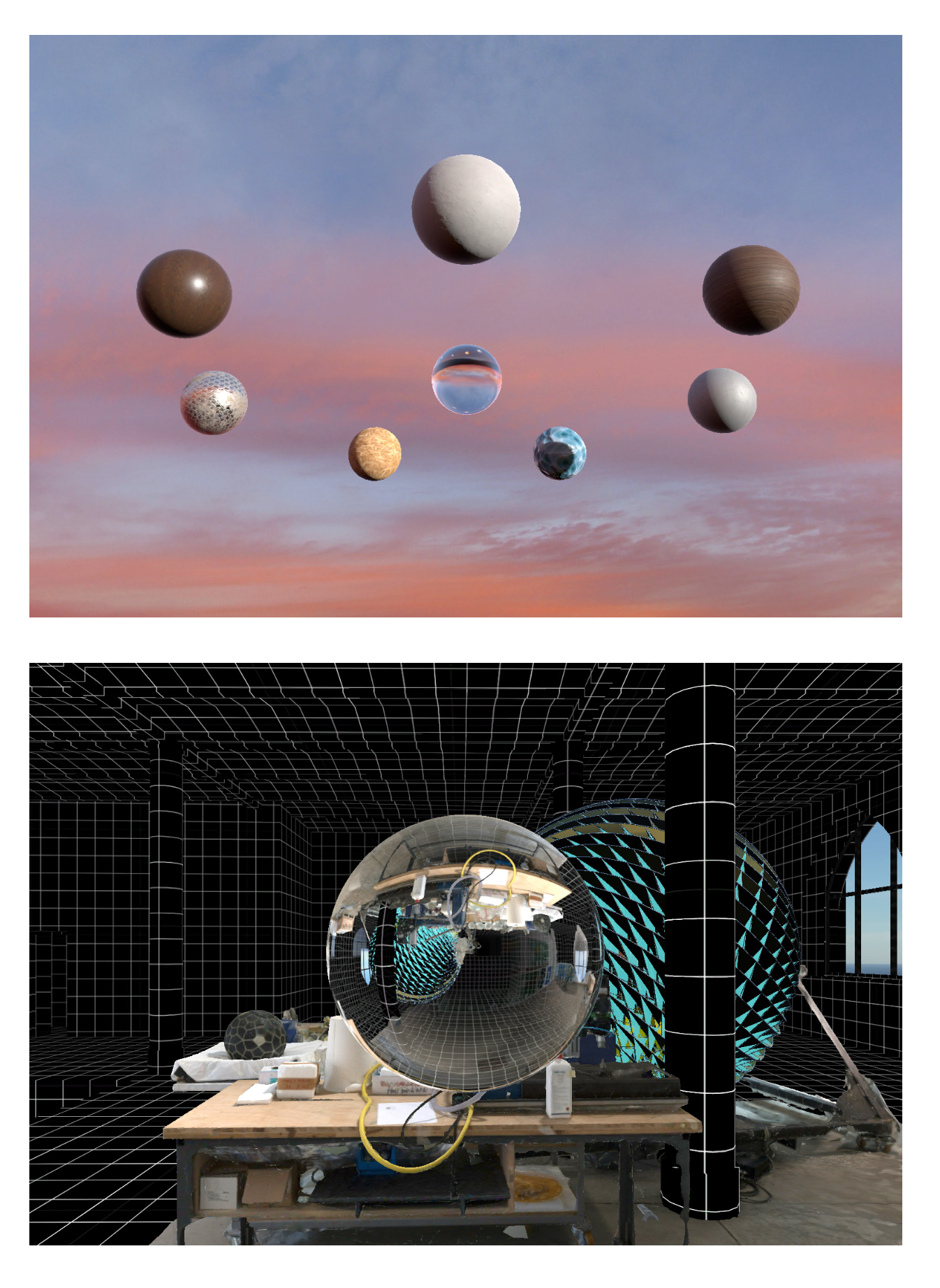
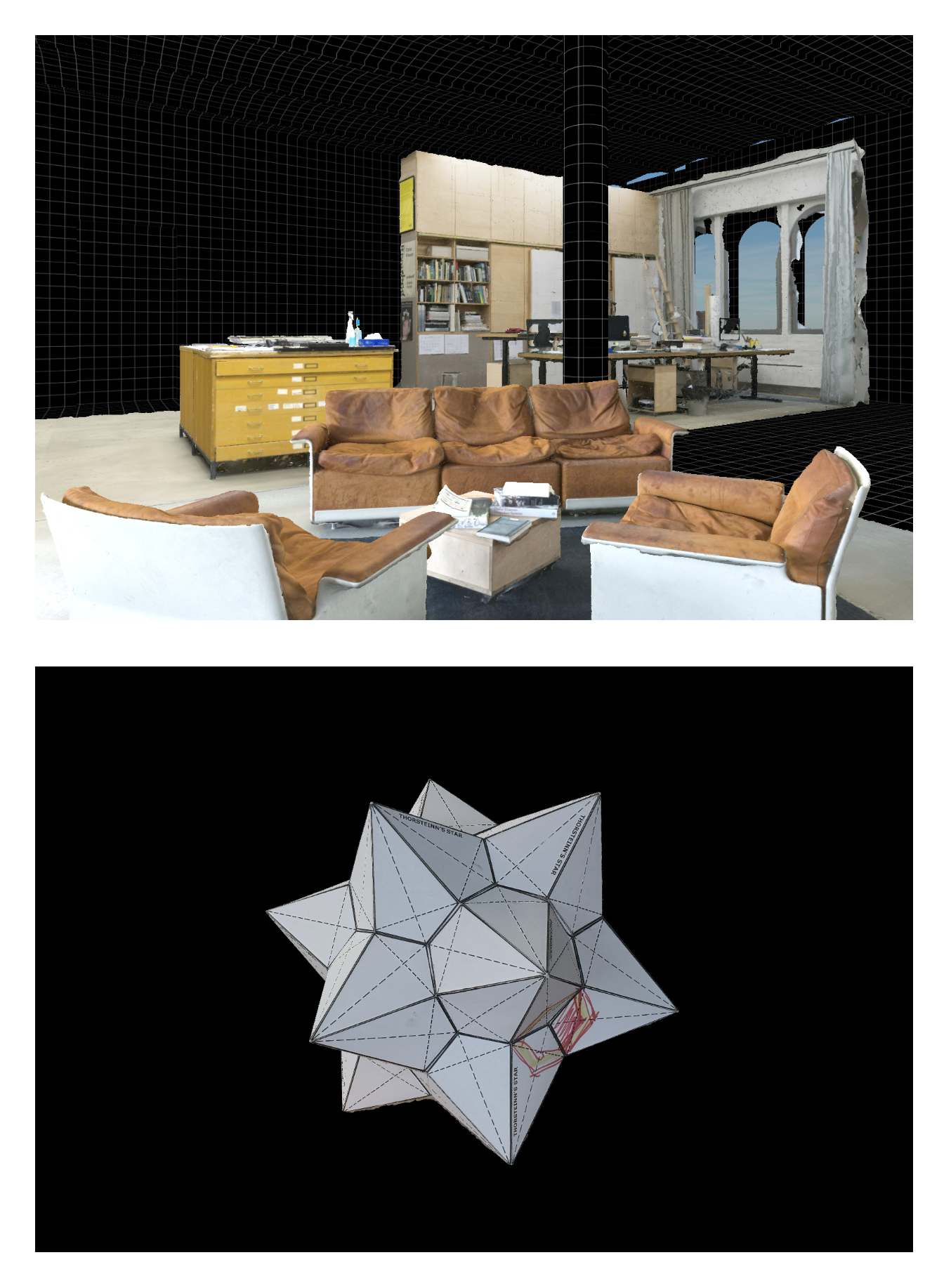
We developed workflows for creating virtual environments through 3D modeling, photogrammetric reconstruction, and LIDAR scanning—each with distinct tradeoffs in geometric fidelity, textural resolution, and performance cost. We experimented with physically-based materials, dynamic simulations of pendulum systems and n-body particle physics, and explorable environments with hyperbolic space that transcend Euclidean geometric limitations.
Throughout this work, we operated from a set of first principles: that virtual reality is a sustained illusion feeding the brain’s deep craving for meaning; that it’s made from a digital-computational material which develops a fluidity that can keep pace with human movement and thought; and that any magic VR possesses beyond other media springs from its unique responsiveness to a physical human body moving naturally in space.
This last point became central to everything I built afterward with Softspace. VR’s greatest potential isn’t entertainment or escapism—it’s harnessing our innate superpowers of spatial cognition to better make sense of a complex world.
My gratitude to Gray Area for partially funding this research through the Zachary Watson Memorial Fund.